Credit cards can be powerful financial tools when used responsibly, but choosing the wrong card can lead to unnecessary fees and long-term debt. With hundreds of options available globally, understanding how credit cards work is essential before applying.
The right credit card should match your spending habits, repayment ability, and financial goals, not just attractive signup bonuses.
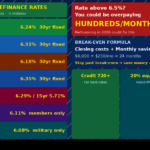
One of the most important factors when choosing a credit card is the annual percentage rate (APR). A high APR can significantly increase the cost of carrying a balance.
Many credit cards offer rewards such as cash back, travel points, or discounts. However, rewards only make sense if they align with your actual spending patterns.
For example:
Frequent travelers benefit from travel rewards cards
Not all credit cards are available to everyone. Cards are often targeted toward specific credit score ranges, such as beginner, fair, or excellent credit.
Applying for cards that align with your credit profile and long-term financial goals helps avoid unnecessary rejections and protects your credit score.
Balance Credit Limits and Spending Discipline
Higher credit limits can improve credit utilization ratios, but they also increase the temptation to overspend. Responsible card usage means keeping balances low and paying bills in full whenever possible.
Consistent on-time payments are one of the most effective ways to build and maintain a strong credit history.
When Loans Are a Better Option Than Credit Cards
In some cases, personal loans are more suitable than credit cards, especially for large expenses or debt consolidation. Loans often offer fixed interest rates and predictable repayment schedules.
Learning the differences between revolving credit and installment loans helps borrowers choose the most cost-effective borrowing option.
Final Thoughts
Choosing the right credit card requires more than chasing rewards or promotional offers. By understanding interest rates, fees, eligibility, and spending habits, you can use credit cards as tools for convenience and credit-building rather than sources of financial stress.
Smart credit decisions today create stronger financial opportunities in the future.