For beginners, understanding the basics of investing and following proven principles can reduce risk while improving long-term returns.
Focus on Diversification
Diversification means spreading investments across different asset classes such as stocks, bonds, and funds. This reduces the impact of poor performance in any single investment.
Well-diversified portfolios are less volatile and provide more stable growth over time. Many beginners achieve diversification easily through index funds or diversified investment products.
One of the most effective long-term investment approaches is buy-and-hold investing, where investors remain invested through market cycles instead of reacting to short-term volatility.
This strategy helps reduce emotional decision-making and allows compounding to work over time. A clear explanation of this approach is available in the Buy and Hold investing guide:
Keep Investment Costs Low
Investment fees can significantly reduce returns over long periods. Expense ratios, management fees, and transaction costs quietly compound against your portfolio.
Low-cost funds and passive investment strategies often outperform expensive actively managed funds over the long term, especially for beginners.
Reinvest Returns for Compounding Growth
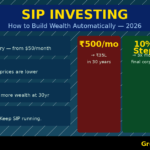
Reinvesting dividends and earnings accelerates wealth growth through compounding. Over time, returns generate additional returns, creating exponential growth rather than linear progress.
This strategy works best when investments are left untouched for long durations.
Stay Patient During Market Volatility
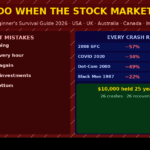
Market fluctuations are normal. Long-term investors understand that short-term declines are part of the investment journey.
Avoiding panic selling and staying focused on long-term goals helps investors recover from downturns and benefit from eventual market growth.
Final Thoughts
Long-term investing rewards patience, discipline, and consistency. By diversifying investments, controlling costs, and staying invested through market cycles, beginners can steadily grow wealth without unnecessary stress.
Building financial knowledge alongside a long-term mindset is the foundation of successful investing.