Long-term investing remains one of the most reliable ways to build sustainable wealth because it focuses on patience, diversification, and structured financial behavior rather than short-term market timing.
Understanding how to design a long-term investment approach is essential for anyone seeking consistent financial progress rather than unpredictable speculative gains.
Long-term investing succeeds primarily due to compound growth and market resilience. Over extended periods, financial markets historically trend upward despite short-term volatility. Holding quality assets allows investors to participate in this long-term expansion.
Educational resources such as Investopedia explain how compounding enables reinvested returns to generate additional earnings, significantly accelerating portfolio growth across decades.
This principle rewards patience rather than constant trading.
Core Principles of Sustainable Wealth Building
1. Consistent Contributions
Regular investing—regardless of market conditions—reduces timing risk and builds discipline. Automated monthly investments are especially effective because they apply dollar-cost averaging, smoothing price fluctuations over time.
2. Diversification Across Asset Classes
Balanced portfolios typically include:
Equities for growth
Bonds for stability
Cash or equivalents for liquidity
Diversification reduces the impact of any single market downturn, improving long-term survival of the portfolio.
High management fees can significantly erode long-term returns. Passive index investing minimizes expenses while capturing broad market performance, making it one of the most efficient wealth-building approaches available to individual investors.
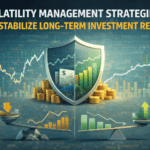
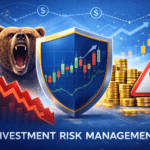
Risk Management in Long-Term Portfolios
Effective long-term investing does not eliminate risk—it controls it.
Key risk-management practices include:
Maintaining emergency savings
Avoiding excessive leverage
Rebalancing portfolios periodically
Aligning investments with time horizon
These safeguards protect investors during market downturns while preserving long-term growth potential.
Behavioral Discipline and Investor Psychology
Emotional reactions—panic selling during crashes or chasing rapid gains—often cause more damage than market volatility itself. Long-term investors benefit from predefined strategies that reduce impulsive decisions.
This structured approach transforms investing from speculation into a predictable wealth-building system.
Final Thoughts
Long-term investing is less about predicting markets and more about time, discipline, and intelligent diversification. Investors who follow structured strategies, minimize costs, and remain patient during volatility place themselves in the strongest position to achieve sustainable financial growth.
Building wealth gradually may appear slow in the beginning, but over decades it becomes one of the most powerful financial forces available.